- 1250 – 1500
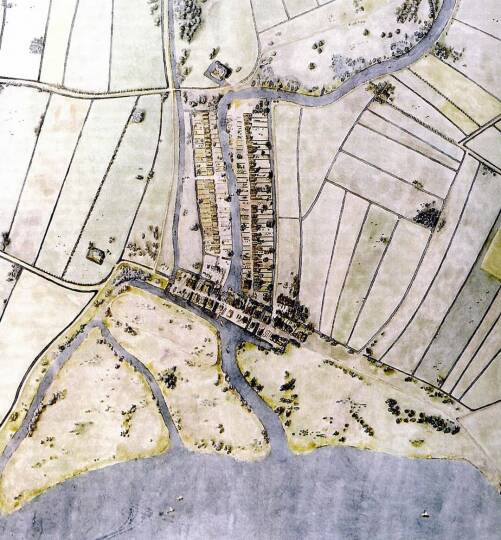
The settlement of Rotterdam emerged around 1250 with the construction of a dam across the Rotte River. Rotterdam gained city status in 1340, and trade began to develop rapidly.
- 1600 – 1900
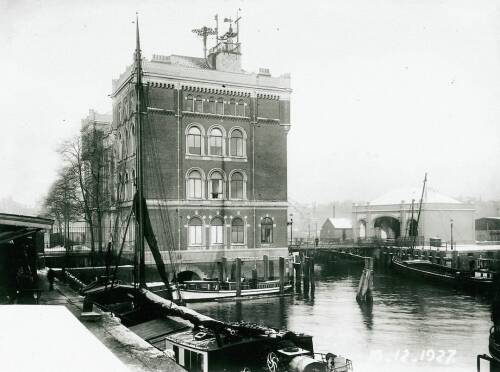
The Port of Rotterdam became a major hub for trade with the East Indies,
Africa, the Americas, and the Baltic states.
During this period, the port grew particularly through the trade of grain, spices,
timber, and fish.
As Europe industrialized in the 19th century, Rotterdam’s existing river connection began to prove inadequate for large ships.
Consequently, the Nieuwe Waterweg canal, designed by engineer Pieter Caland, was opened. Rotterdam gained a direct connection to the North Sea.
Large steamships were able to reach the port with ease. This development marked one of the most significant turning points that launched the port’s global expansion.
Why is it still preferred today? What are it’s advantages?
- It is Europe’s largest port.
- It handles approximately 430–470 million tons of cargo annually.
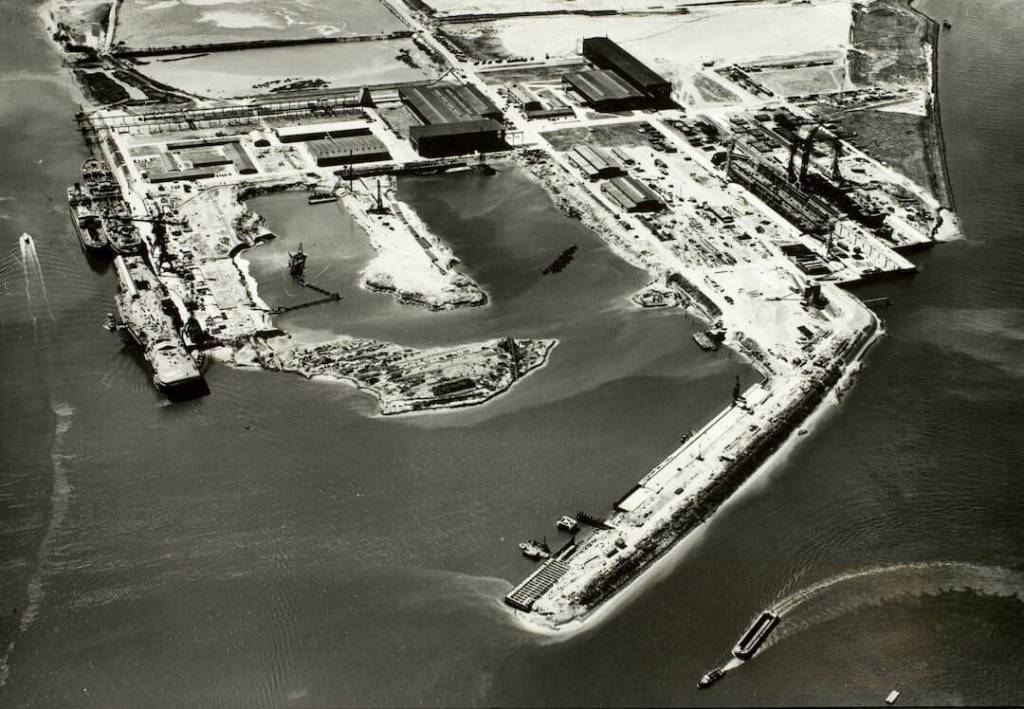
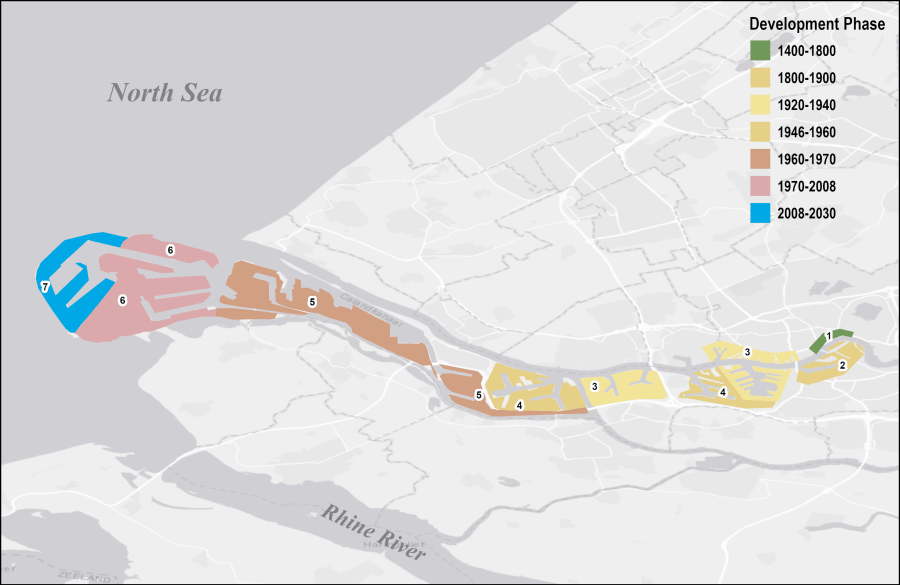
- It extends for about 40 km from the city center to the North Sea and serves as a key gateway for Europe’s industrial, trade, and energy supply chains.
- It is used by approximately 30,000 ocean-going vessels and numerous inland waterway vessels.
Strategic and Technological Advantages:
- Extensive railway and highway network.
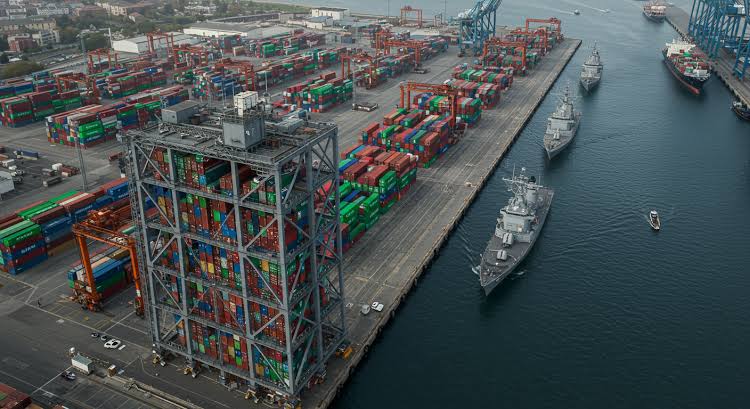
- Ability to accommodate the world’s largest container ships thanks to its deep-water port.
- AI-powered vessel traffic management
- Automated container cranes
- Driverless terminal vehicles
- Real-time cargo and vessel tracking systems
- Smart logistics planning
Facts:
- The port area covers approximately 12,700 hectares.
- It extends for about 40 km from the city center to the sea.
- It continues to be one of Europe’s largest, most technologically advanced, and strategically important logistics hubs.

