The Bureau of Operational Landscape – PhD – D. Weber
The starting point of the project is the following question:
Why do we not truly see today’s massive logistics areas (ports, container terminals, warehouses, etc.)?
The reason for this is not that ports are areas closed to the public; rather, it is that these spaces are managed by specific institutions and are presented to us solely through photographs, maps, reports, and media. The area we are meant to see is predetermined and controlled. The central theme of the research is the bureaucratic perspective—that is, we see only what we are intended to see.
Personal Reflection: Upon reviewing this research, the ideas that came to mind for me centered on human interactions and experiences—focusing not just on the visual aspect, but on what people feel in that space and what they want to see.
MVRDV Rotterdam Harbour Vision
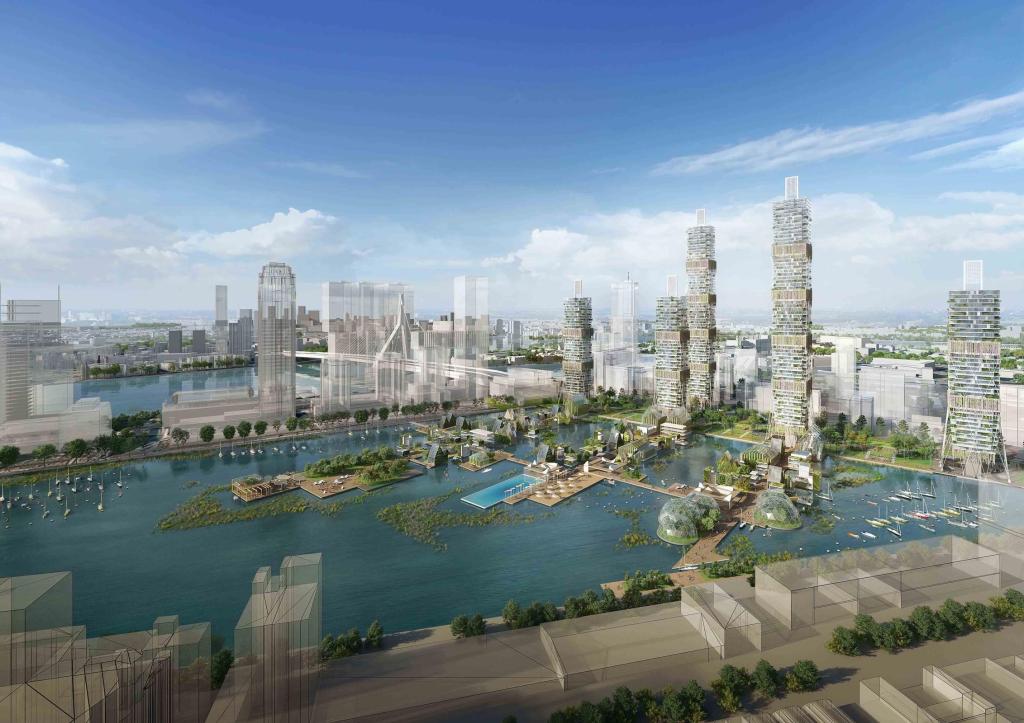
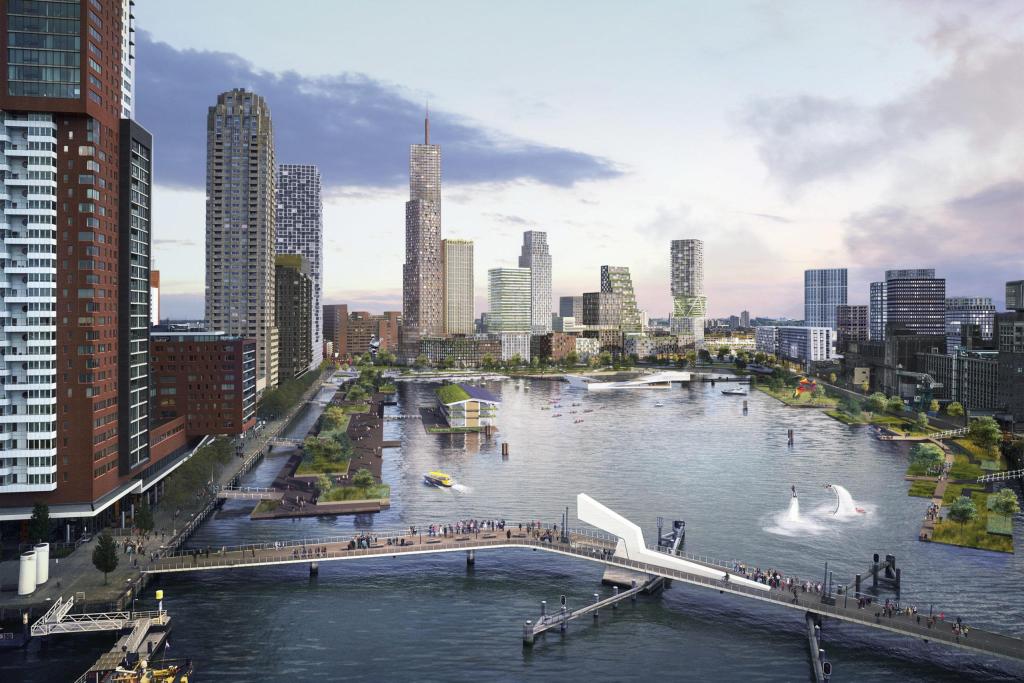
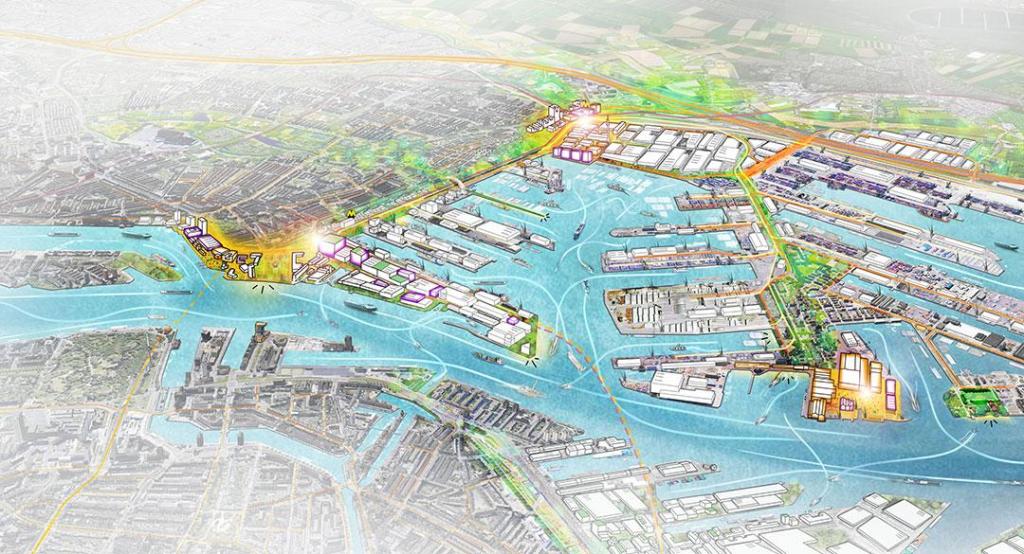
This was another project that caught my interest and the one I felt closest to. There are three specific questions asked.
- Can the port go public?
- How can the ecology be restored?
- Can industry and nature coexist?
West 8 – Borneo–Sporenburg (Amsterdam)
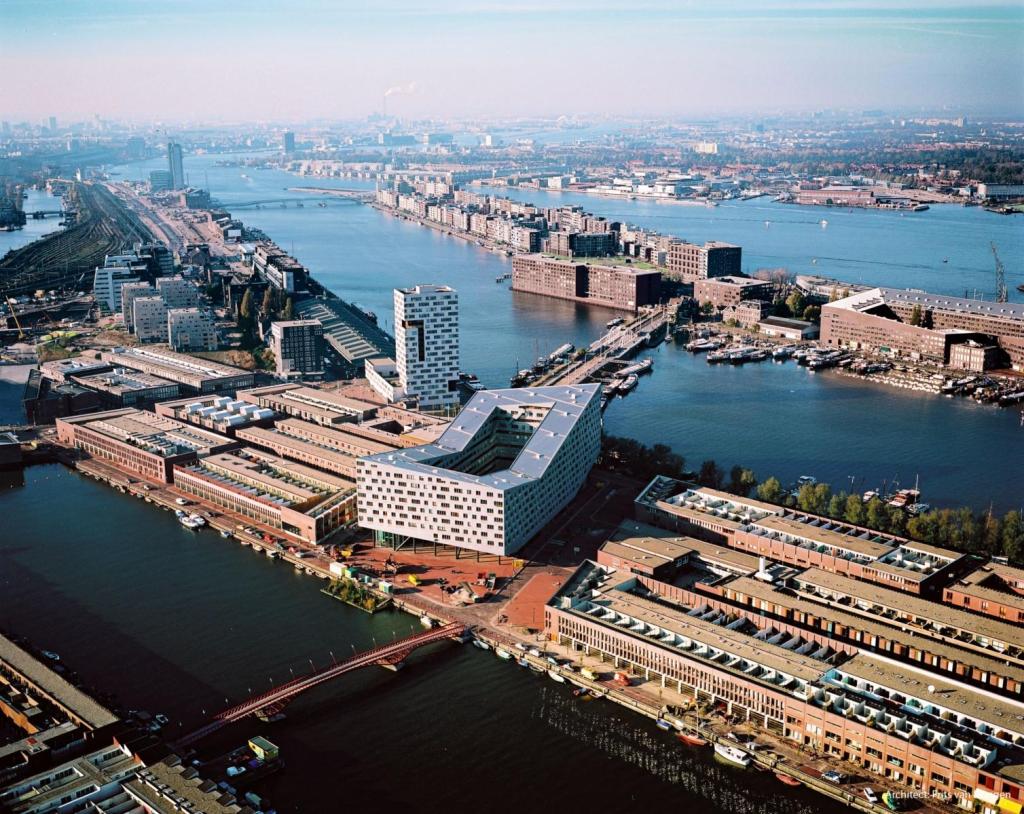
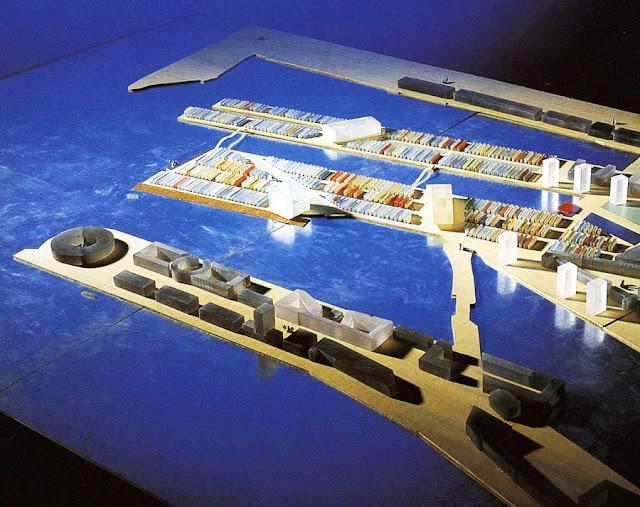
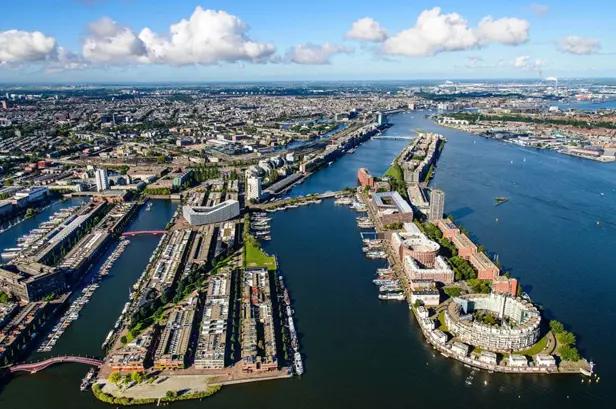
An interesting aspect of the project is that in this city—where housing is in high demand yet in short supply—the port is not being erased; instead, industrial memory is preserved, and living spaces are integrated into the site.
Turenscape
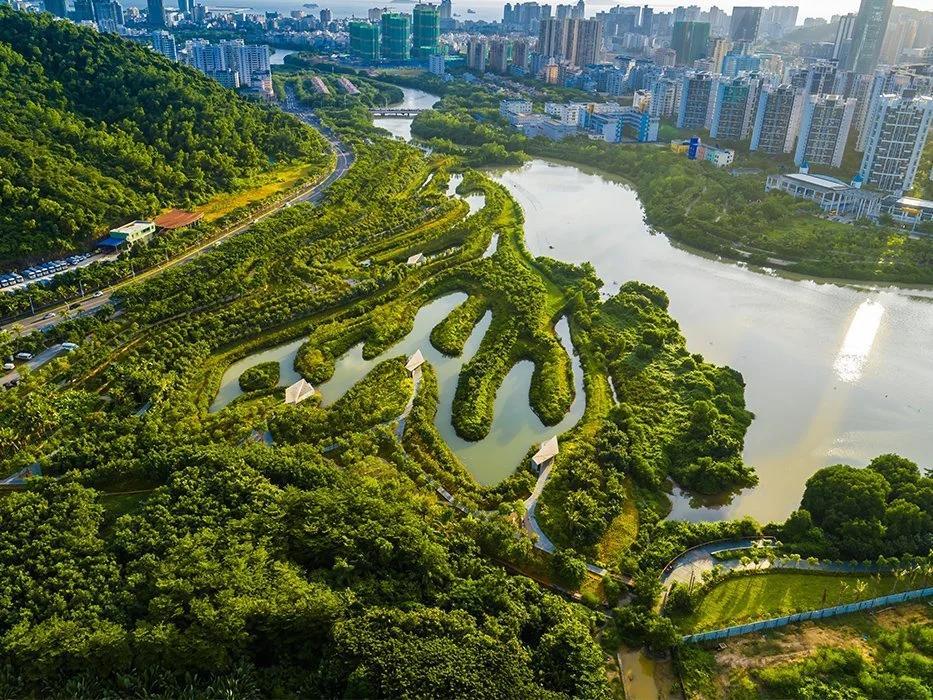
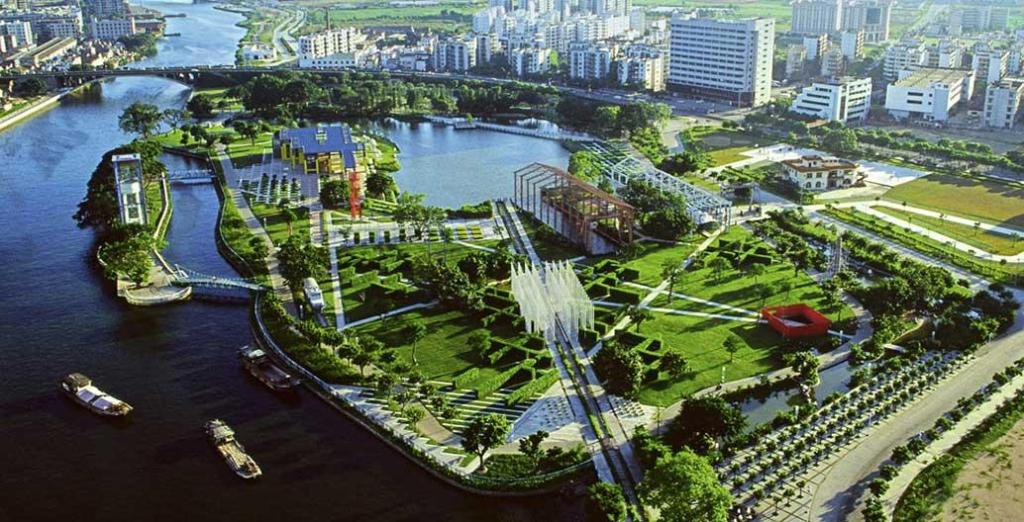
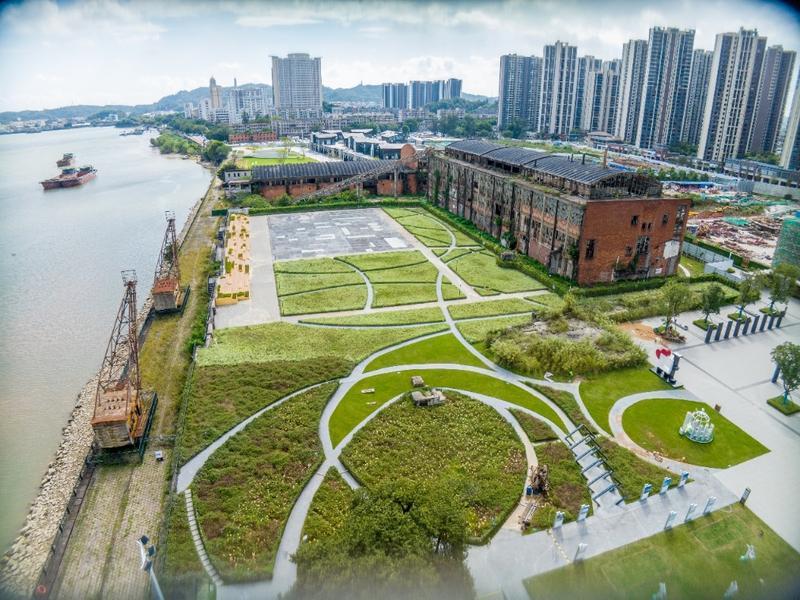
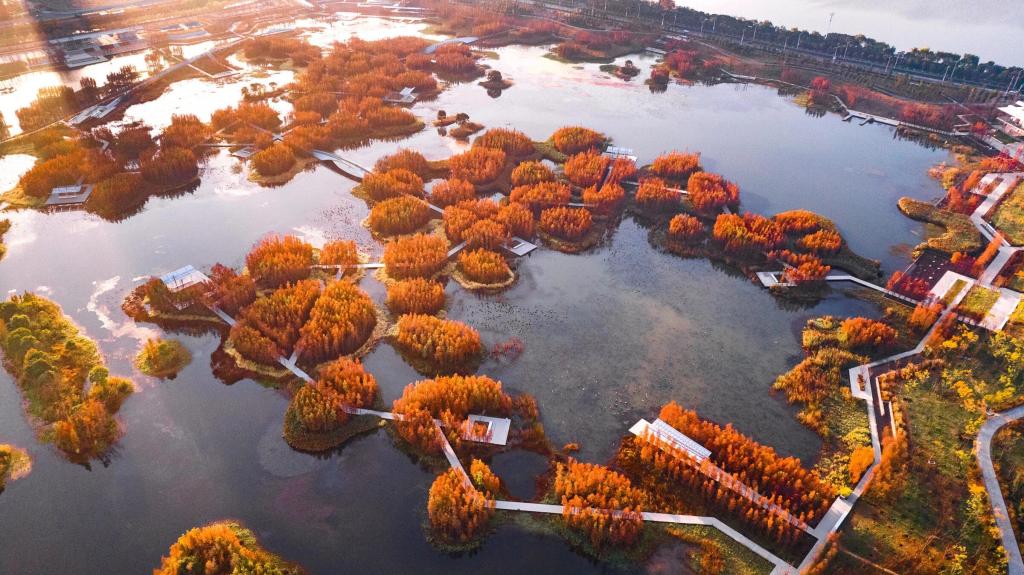
An old port within it is being integrated into the ecological infrastructure.
Sasaki – Boston Waterfront & Seaport
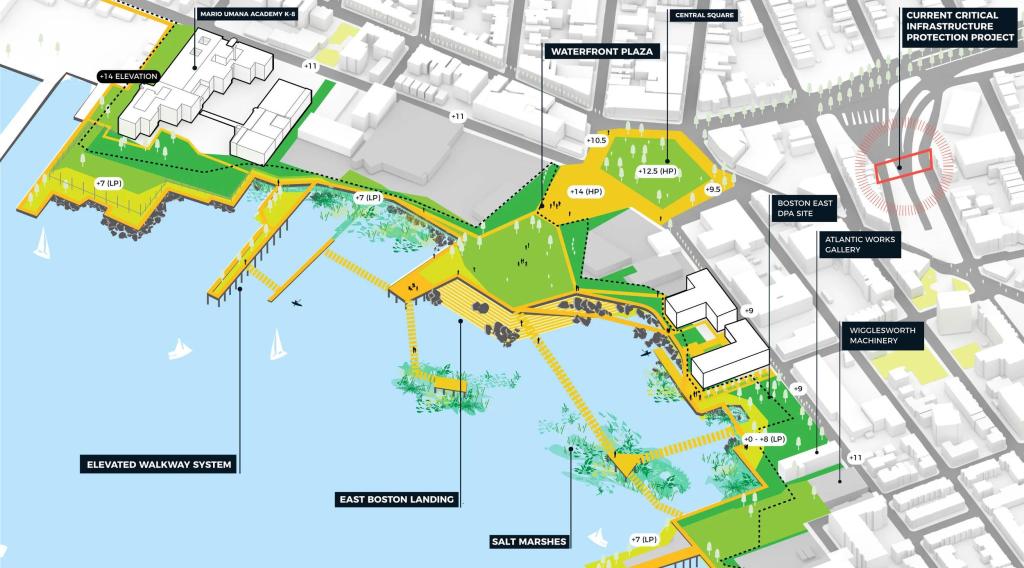
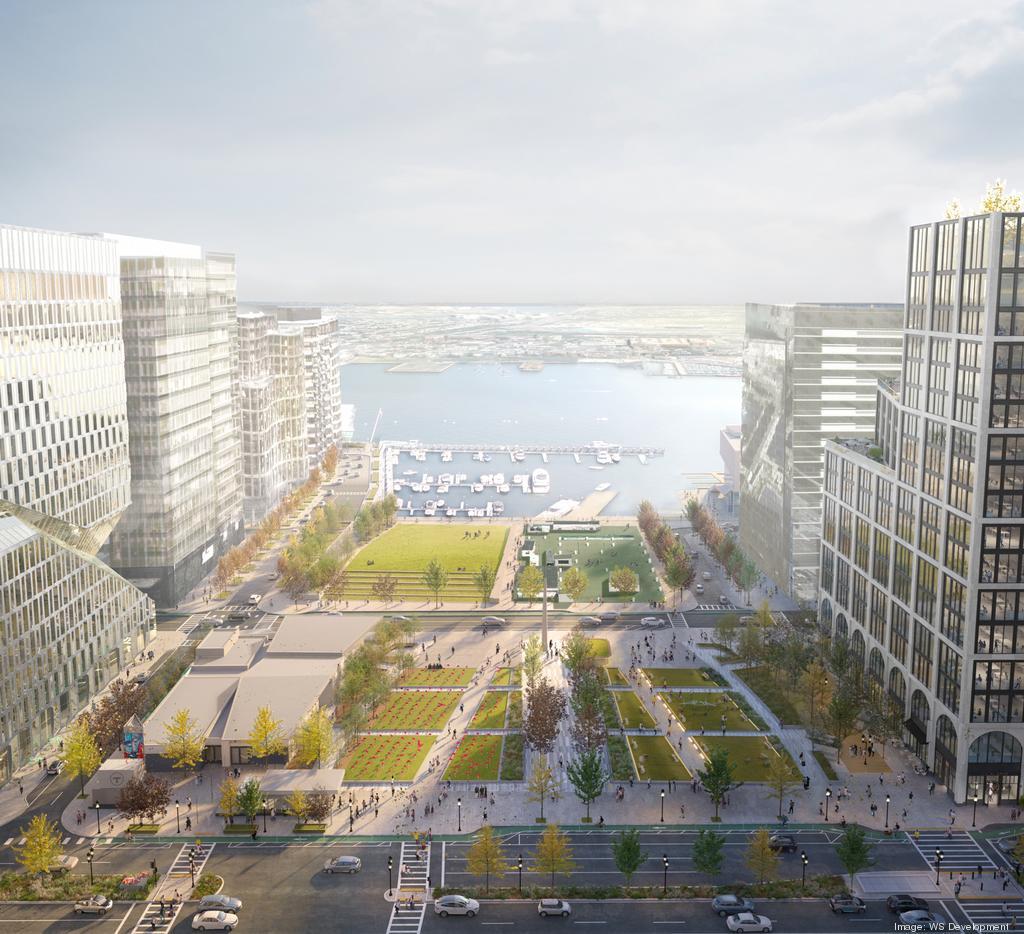
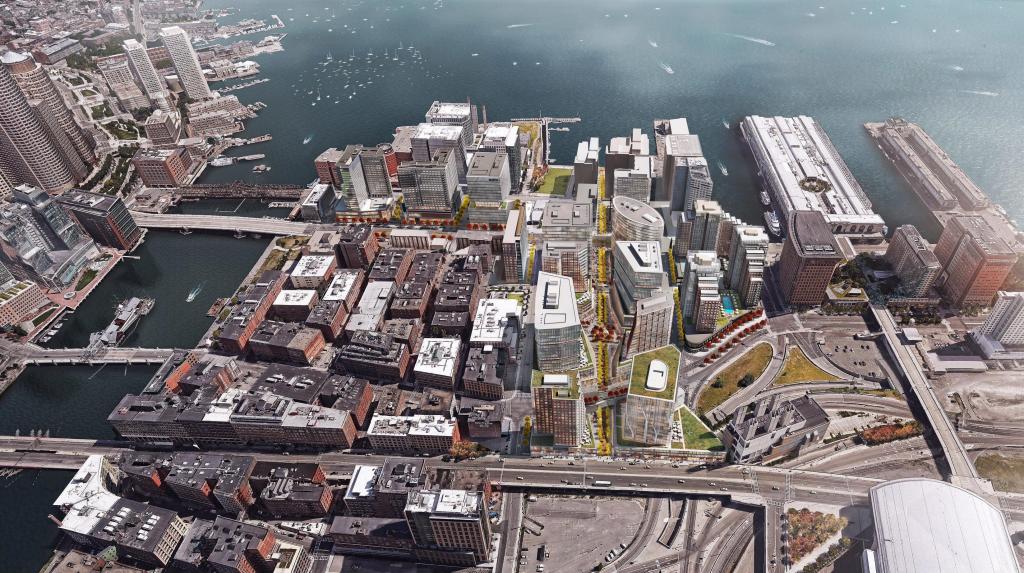
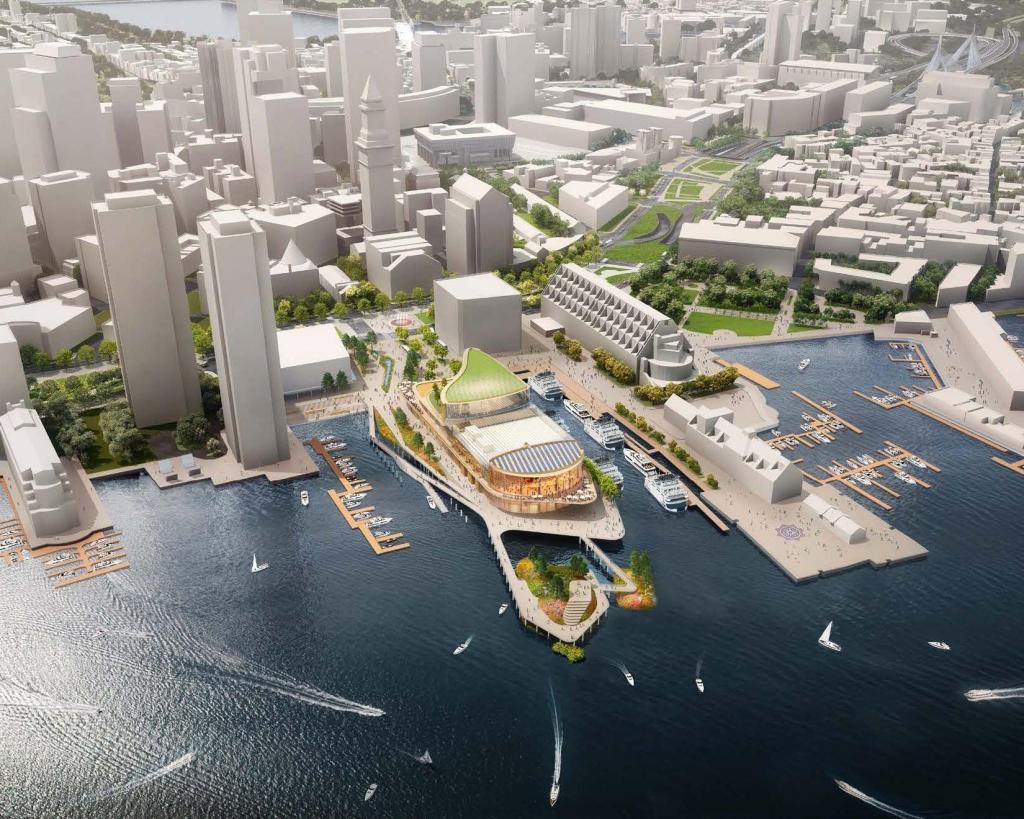
It envisions the future of the port along three axes:
- climate change
- economy
- public life

